“Safety is far more than just ticking a box”
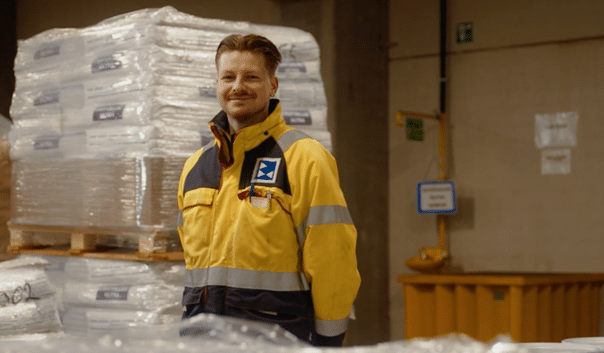
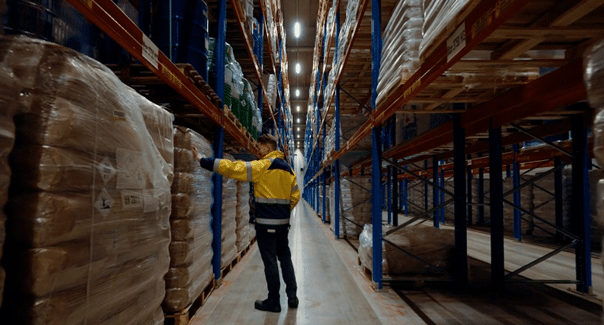
At Broekman Logistics, safety is more than a checkbox on a compliance list: it is a way of working. For Martijn van der Most, SHEQ Coordinator, a second nature. His role involves translating complex legislation into daily warehouse operations, in an environment where hazardous materials are stored in large volumes. And he doesn’t do this from behind a desk.
He is present on the warehouse floor, in conversation with colleagues, where safety becomes tangible. “You have to be a bit of a nerd to really dive into Seveso legislation and all the related standards like PGS15 and PGS37,” he says with a grin. “But I enjoy making those rules practical and workable.”
Martijn’s interest in corporate safety began during his studies in Integral Safety Management. While many of his fellow students focused on public safety or aimed for roles in the police or military, he was drawn to industrial safety, to ports, chemicals, and warehousing more than to policy meetings in town halls. During his graduation internship at Broekman Logistics, he was immediately confronted with the realities of compliance: an inspection where the competent authority identified key improvement areas.
That phase proved to be defining. With support from external specialists, the safety management system (SMS) was reinforced. By the time Martijn presented the final results of that improvement plan — standing in front of a room full of inspectors — he was able to demonstrate dozens of concrete improvements. Shortly thereafter, he was offered a permanent role. Since then, he’s been driving the continued development and embedding of safety across operations.
What Martijn values in his role isn’t just the technical challenge, but also the freedom to approach the work in his own way. His days are a mix of drafting policy, consulting with team leads and managers, and being physically present in the warehouse. His strength lies in combining formal structure with informal connection. Procedures and instructions are translated into PowerPoint presentations and internal knowledge checks within the Broekman Academy, so colleagues can formally demonstrate awareness. But real impact, he says, comes from face-to-face contact: toolbox meetings, morning stand-ups, and informal conversations.
He recognises that staff can sometimes feel sceptical, especially with routine evacuation drills or recurring safety instructions. Still, Martijn finds ways to drive engagement, like organising emergency response training with a professional actor. “We train our emergency response team six times a year using realistic scenarios. It makes it tangible. We handle toxic substances and you want to be prepared.” He is personally involved in each session, coaching the team and reinforcing that safety doesn’t stop at written procedures.
Leading by example is crucial, Martijn addresses. Entering a warehouse without safety shoes or a high-vis vest? Not an option. “If I do not follow the rules, how can I ask others to? It starts with the little things.” As part of the 5S programme, he even designed quiz questions for management to reflect on their own leadership role in safety. Picking up a loose piece of paper on the floor isn’t a chore — it’s a signal.
For incidents or near-misses, Broekman Logistics follows a structured response process. Thanks to a risk matrix, it is now possible to quickly determine whether a root cause analysis is necessary. “If the score is above five, we initiate a root cause investigation,” Martijn explains. “Colleagues from multiple departments sit together to dissect the incident and agree on corrective actions.”
Yet Martijn’s focus isn’t just on responding to incidents, it is about anticipating on risks. When new customers or new product types are introduced, this is immediately addressed through the ‘management of change’ process. Permits, documentation, and risks are assessed in advance, to prevent surprises down the line. “Safety needs to be proactive,” he says. “That requires discussions, analysis, and above all, close alignment with operations.” It is not optional, he adds: “We decide how goods are stored. The customer brings the request, but we stay in control.”
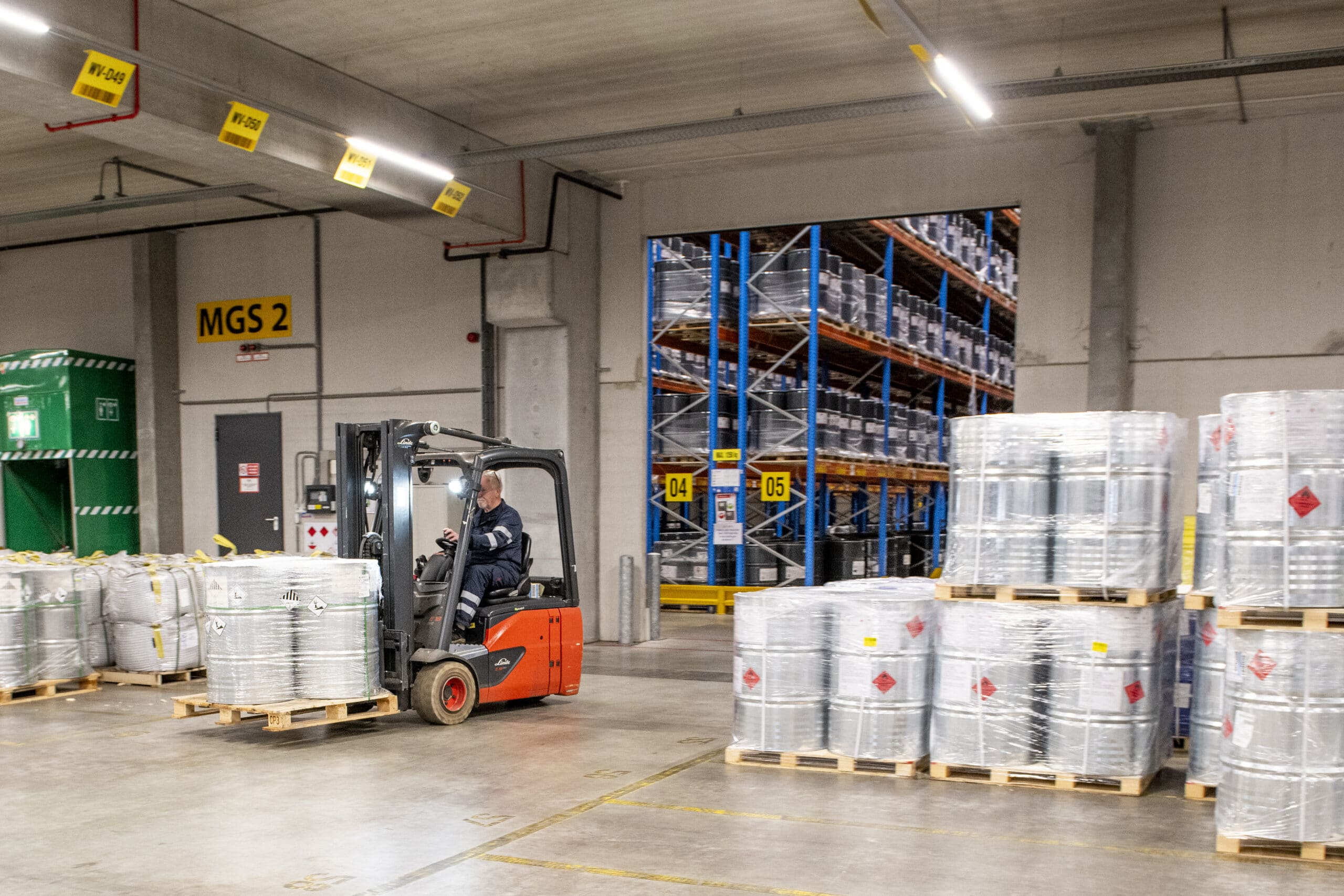
The range of hazardous materials stored at Broekman Logistics is extensive, from toxic and corrosive to environmentally hazardous, liquid and gaseous substances. “We handle almost everything, except explosives and radioactive materials,” Martijn notes. Each product category requires specific measures, storage conditions, and certifications. “That is what makes the work challenging. You are constantly adapting and learning.”
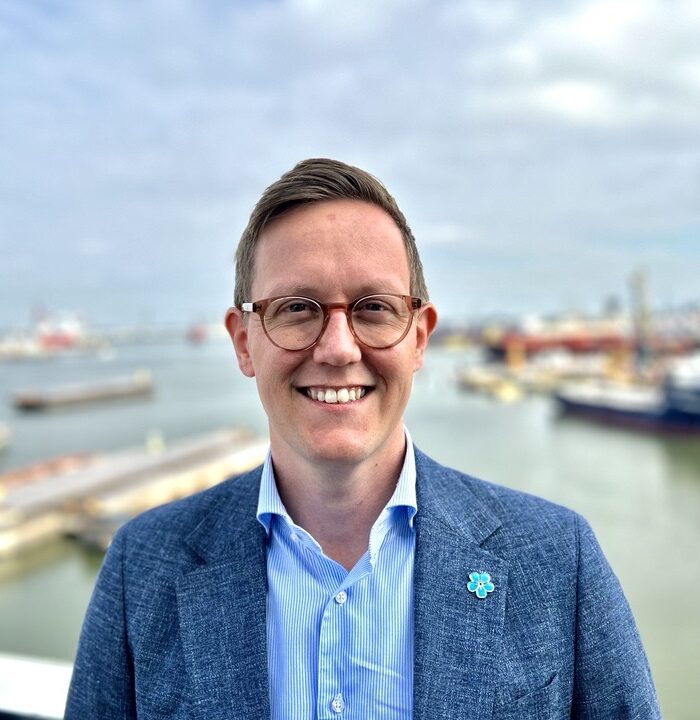
Although a large part of the role is formal and compliance-driven, Martijn sees safety as fundamentally human. It’s about awareness, behaviour, and bringing people along in the process. That mindset does not just make him a strong SHEQ Coordinator, it also earned him a well-deserved nomination for ‘Dangerous Goods Employee of the Year 2025’. It wasn’t a lucky coincidence, but the result of deliberate planning. Together with a colleague, he developed a strategic plan aimed at securing the award. “You do not have to seek the spotlight, but if you do something, do it well — and turn it into a calling card for your organisation.”
That drive comes from the space he feels at Broekman. “If you speak up, you can really get things done here. Lines are short, and there’s a genuine willingness to improve. That makes the work rewarding.” For Martijn, safety isn’t a document filed away, it is a living, breathing theme that runs through meetings, training, and everyday behaviour. Even outside working hours, he stays alert. “I catch myself looking at ADR codes on lorries in traffic. I’ll think, ‘Hey, I know that one. I entered it into the system.’” He laughs. “And yes, I always check where the fire exits are.”

Soon we will know whether Martijn van der Most is chosen as finalist!